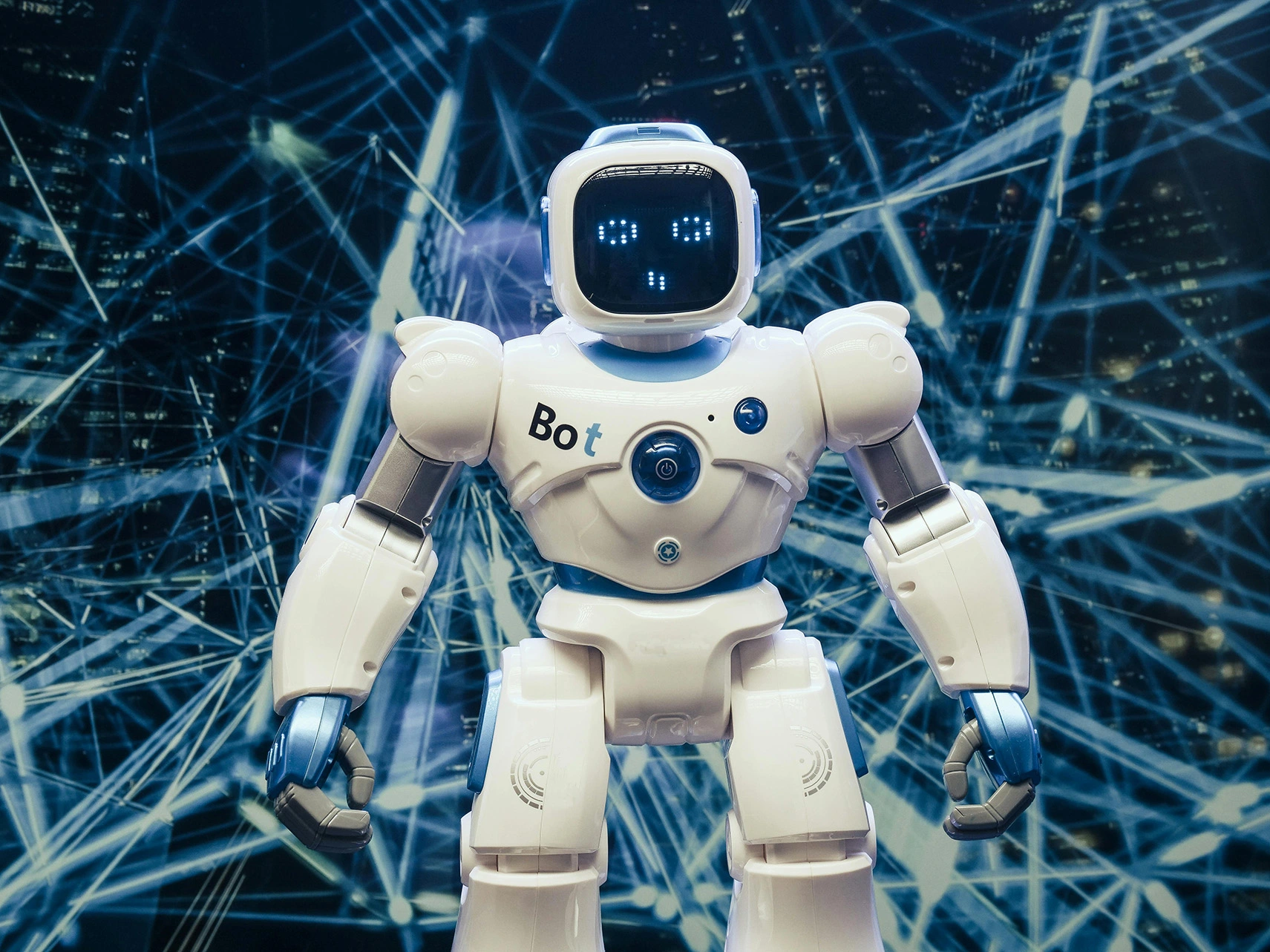
AI Automation: How Businesses Can Work Smarter, Faster, and More Efficiently
In today’s business environment, speed and efficiency often make the difference between growth and stagnation. Companies across industries are realizing that traditional manual processes can...
In today’s business environment, speed and efficiency often make the difference between growth and stagnation. Companies across industries are realizing that traditional manual processes can no longer keep up with the demands of modern markets.
This is where AI automation comes into play—a powerful solution that enables businesses to operate smarter, faster, and with fewer errors.
Unlike traditional digitalization, AI automation is not simply about moving processes online. It involves creating intelligent systems that can perform tasks independently, helping organizations save time, reduce costs, and improve productivity.
Whether it's customer communication, data processing, sales management, or administrative work, AI-powered systems can operate around the clock without interruptions.
What Is AI Automation?
AI automation combines artificial intelligence with software tools to automate repetitive tasks and business workflows with minimal human intervention.
Modern AI systems can:
- Respond to customer inquiries
- Process and analyze data
- Generate reports
- Schedule appointments
- Manage leads
- Send personalized communications
- Automate routine administrative tasks
For example, AI-powered assistants can communicate with customers, while workflow automation platforms connect different applications and automate complex business processes.
In practice, this means businesses can create systems that automatically respond to inquiries, send proposals, track customer interactions, and generate insights—all without requiring additional manual work.
Why AI Automation Matters
Many organizations still rely heavily on manual processes that consume valuable time and resources.
While these methods may work initially, they often lead to:
- Slower growth
- Increased operational costs
- Human errors
- Missed opportunities
- Reduced customer satisfaction
AI automation addresses these challenges by helping businesses:
Save Time
Tasks that previously took hours can often be completed in minutes or seconds.
Increase Productivity
Teams can focus on strategic work rather than repetitive administrative tasks.
Improve Accuracy
Automated workflows reduce the risk of human error and improve consistency.
Enhance Customer Experience
Customers receive faster responses and more reliable service.
Scale More Efficiently
Businesses can handle larger workloads without proportionally increasing staffing costs.
How AI Automation Works in Practice
Imagine a simple scenario:
A potential customer submits an inquiry through your website.
Instead of waiting for someone to manually respond, an AI-powered workflow can immediately:
- Analyze the request
- Send a personalized response
- Add the lead to a CRM system
- Schedule a consultation
- Notify the sales team
- Trigger follow-up communications
All of this happens automatically, ensuring no opportunity is missed.
These automated workflows help businesses provide a seamless customer experience while reducing administrative burdens.
Common Applications of AI Automation
AI automation can be implemented across almost every business department.
Marketing
- Personalized email campaigns
- Social media scheduling
- Lead nurturing
- Content recommendations
- Audience segmentation
Sales
- Lead qualification
- Automated follow-ups
- Proposal generation
- CRM updates
- Pipeline management
Customer Support
- AI chatbots
- Automated ticket routing
- Frequently asked questions (FAQ) assistance
- Customer satisfaction monitoring
Administration
- Document processing
- Invoice management
- Data entry automation
- Internal workflow management
Human Resources
- Candidate screening
- Interview scheduling
- Employee onboarding
- Internal support systems
How Much Can Businesses Save?
One of the most common questions is whether AI automation delivers a return on investment.
In many cases, businesses that implement automation experience:
- Lower operational costs
- Increased employee efficiency
- Faster response times
- Improved customer retention
- Higher revenue growth
It's important to understand that automation is not about replacing employees. Instead, it allows teams to focus on higher-value activities such as strategy, innovation, customer relationships, and business development.
How to Get Started with AI Automation
The first step is not purchasing software—it is understanding your current processes.
Start by identifying:
- Repetitive tasks
- Time-consuming workflows
- Manual processes that frequently cause delays
- Areas where human error occurs
After that, the implementation process typically includes:
1. Process Analysis
Identify automation opportunities.
2. Tool Selection
Choose platforms that fit your business needs.
3. Workflow Design
Create automated processes and integrations.
4. Testing and Optimization
Continuously improve performance and efficiency.
Popular automation solutions often include AI assistants, workflow automation platforms, CRM systems, and business intelligence tools.
The Future of Business Is Automated
Industry trends clearly show that organizations adopting AI automation are gaining a significant competitive advantage.
Research from leading consulting firms consistently highlights automation and artificial intelligence as key drivers of future business growth.
Companies that embrace automation today can:
- Operate more efficiently
- Improve customer experiences
- Make better decisions through data
- Scale faster
- Stay ahead of competitors
The future belongs to businesses that combine human expertise with intelligent automation.
Conclusion
AI automation is no longer reserved for large corporations. Businesses of all sizes can benefit from implementing intelligent systems that reduce manual work and increase operational efficiency.
By automating repetitive processes, organizations can save time, lower costs, improve customer experiences, and create more opportunities for growth.
In a world where speed and efficiency drive success, automation is no longer a luxury—it is becoming a necessity.
The question is no longer whether businesses should adopt AI automation, but how quickly they can begin leveraging its potential.